
Why Major in Neuroscience?
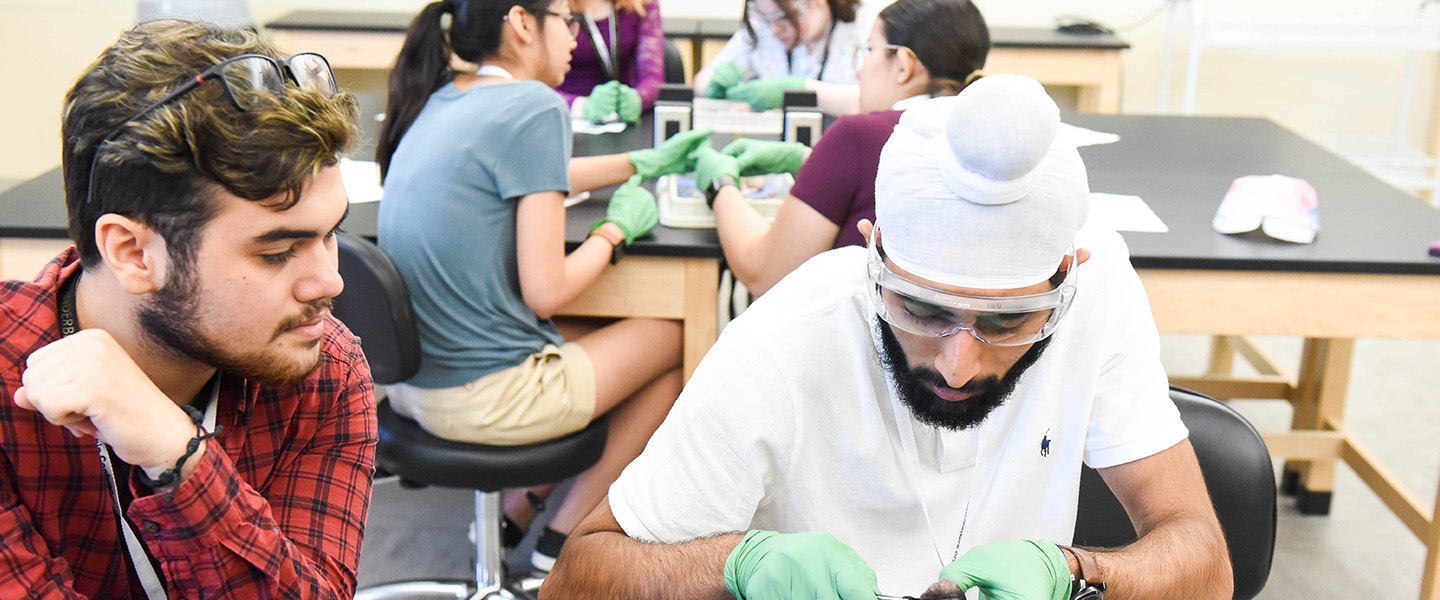
The Neuroscience program is dedicated to providing students with an academically challenging and interdisciplinary curriculum which enables them to develop a basic understanding of the foundations of the field, as well as the opportunity to personalize their learning experience. Majors are uniquely equipped with a broad foundational training early on in their training (ranging from molecular to behavioral sciences) and have ample opportunities to build strong academic and research skills.
The scientific method is promoted to create critical consumers of the field as well as inquisitive and responsible neuroscientists. Majors will build strong reading skills, hone knowledge transfer abilities and practice leadership roles and group work. Opportunities for future training and employment are available, spanning from academic to industry settings alike.
What You'll Learn
- Knowledge of the brain and the behavior process
- Awareness of how the nervous system can affect behavior
- Understanding research methods used in neuroscience
- Written and oral communication skills
- Learn to write in APA (American Psychological Association) style
- Demonstrate laboratory skills relevant to behavioral neuroscience research
Career Possibilities
- Laboratory Scientist
- Data Scientist
- Clinical Research Assistant
- Educator
- Science Writer
Program Details
Curious about your coursework? View requirements for this degree in the course catalog.
Neuroscience majors are uniquely equipped with a broad foundational training from the beginning in biology, chemistry, physics and psychology and can complete an introduction to neuroscience course as early as freshman year. Further in their training, students can tailor their upper-level courses to support their interests and future goals.
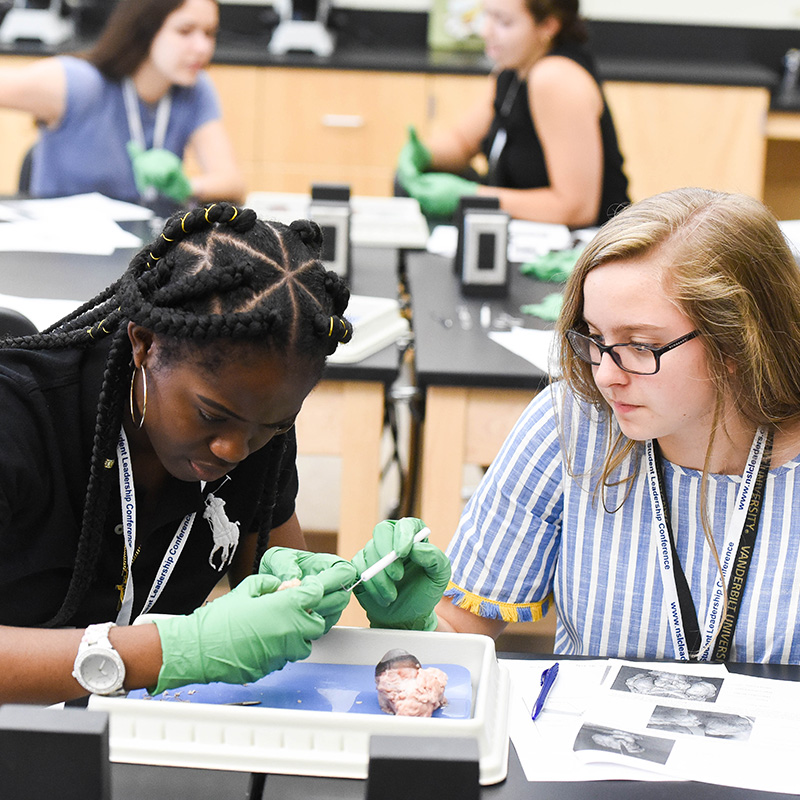
With ample opportunities to complement theoretical knowledge, students engage in hands-on exercises that increase comprehensive skills and small group work to foster collaboration. Students build strong academic, research and critical thinking skills equipping them for continuing their education or beginning their career in the field.
Student Testimonials

Emory Ware
"The Neuroscience Program blends my passions for psychology and biology, and has shaped me both as a current student and future physician."
Becca Lappi
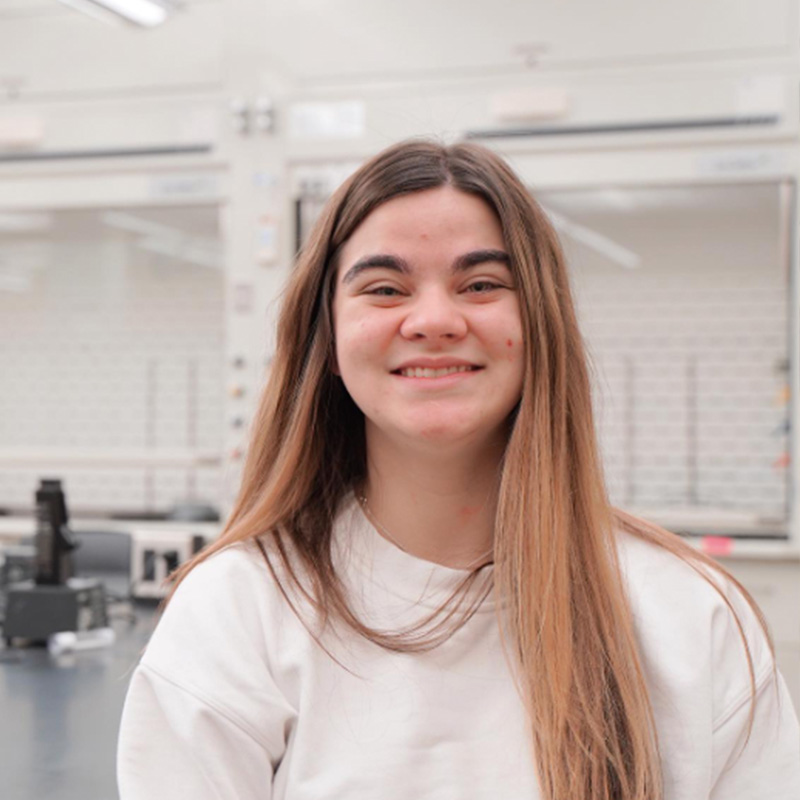
"I’ve been able to immediately take what I’ve been learning in the classroom and apply it to my life. After a psychology course, I was able to create a self-help book to help coach others through their relationships."

Belmont’s CSM and Neuroscience programs featured small class sizes and dedicated professors that provided countless research opportunities, compassionate mentors and individualized learning. There were several upper level courses, such as Neuro Imaging, that helped prepare me to complete my master’s degree and become a Physician Assistant in Neurosurgery. I now get to apply the skills and traits I learned at Belmont to help patients in a specialty I am passionate about.
Request Information
Contact Us
College of Sciences & Mathematics
Chloe Ledford
Admissions Coordinator
(615) 460.5241
Email Chloe