

From Shakespeare to Substack. From Publishing to Podcasts.
At Belmont, English major read great stories—and they also write them, edit them, publish them and use them to change the world.
Whether you dream of writing novels, leading marketing campaigns, teaching literature, editing for major publishers or building a career we haven't imagined yet, our English program gives you the skills, mentorship and creative freedom to make it happen.
What makes Belmont English different:
Our students graduate ready for meaningful work — and a meaningful life. With four specialized concentrations — Literature, Creative Writing, Writing and Rhetoric and English for Secondary Education — plus hands-on experience through internships and campus media, you'll build both the craft and confidence to succeed.
The proof: Our graduates are published authors, editors at major publishing houses, marketing directors, high school teachers, lawyers, nonprofit leaders, content strategists, songwriters, screenwriters and more.
Quick Facts:
- Four concentrations: Literature, Creative Writing, Writing and Rhetoric, English for Secondary Education
- Minors available in all four concentration areas
- 28% of English majors pair it with a second major
- Popular combinations: Education, Publishing, Psychology, Songwriting
- Average class size: 15-20 students
Request Information
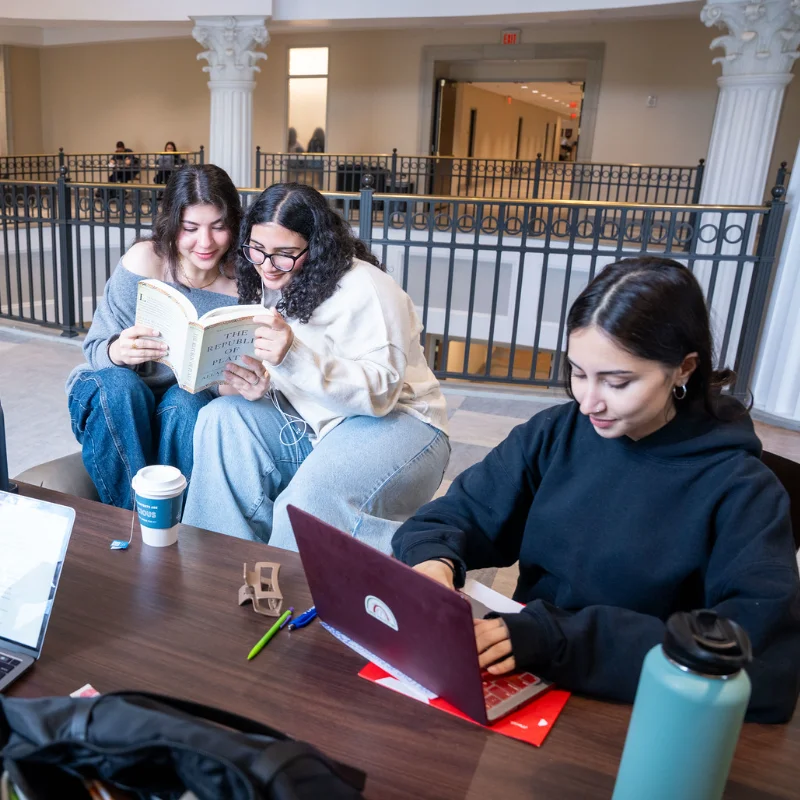
Where English Majors Go
English majors develop skills every employer needs: clear communication, critical thinking, creativity and the ability to understand and connect with diverse audiences.
Graduates work as:
- Writers & Editors
- Communications Professionals
- Publishing & Media
- Education & Academia
- Law & Advocacy
- Business & Strategy
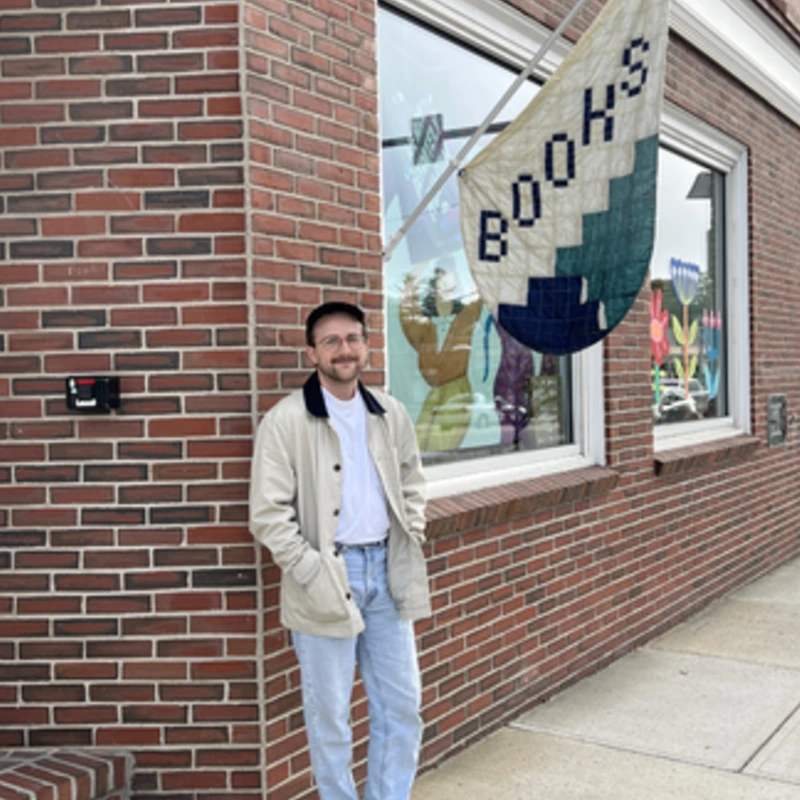
Ben Thomas
English
Editor, Frist Art Museum
"The Belmont English major laid a great foundation of technical, critical thinking, and communication skills that I use every day as an editor. And to find my sea legs in a learning community that emphasizes care and encouragement—that has made all the difference."
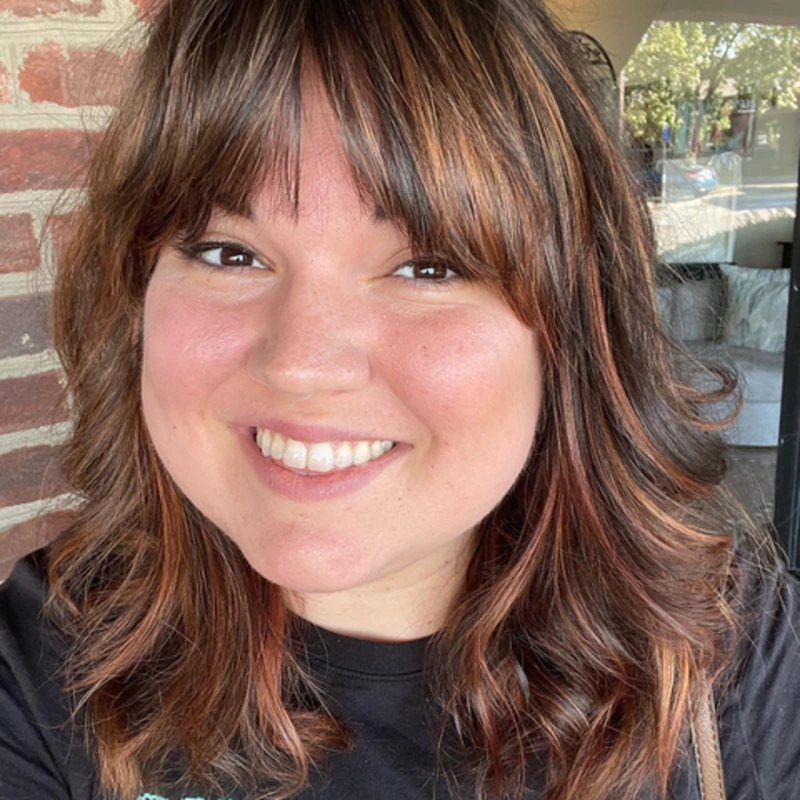
Jessica Siddarth
English
Author and Librarian, Nashville Public Library
"I came to Belmont's English program because I loved books, and I left with the skills to actually do something about it. I can proudly call myself an author, and I owe no small part of that to the program that refused to let me play it safe as a writer."

Maria Batt
English
Founder and Social Media Strategist, The Spice Digital Co.
“Each and every professor is passionate about their students’ unique educational journey, and they will do whatever it takes to help guide and mentor them at Belmont and beyond. The English program is not only a major, but a space where every student is able to find belonging.”

Gabriela Gonzales
English
Novelist
"The Belmont English Department gave me what all writers need to actually be writers — the space and the support to practice and practice and practice. Starting those patterns that I'd need to actively pursue a career I am in love with, and how to keep myself organized, communicate clearly and meet deadlines, were some of the most important building blocks to prepare for writing professionally."
What You'll Learn & Experience
Core Skills
- Analyze and interpret poetry, fiction and nonfiction
- Craft compelling essays, articles and creative work
- Communicate effectively across formats and audiences
- Think critically about cultural and historical contexts
- Research, revise and refine your writing process
- Use language to understand diverse experiences and perspectives
Real-World Experience
- Complete internships at publishing houses, magazines, nonprofits and agencies
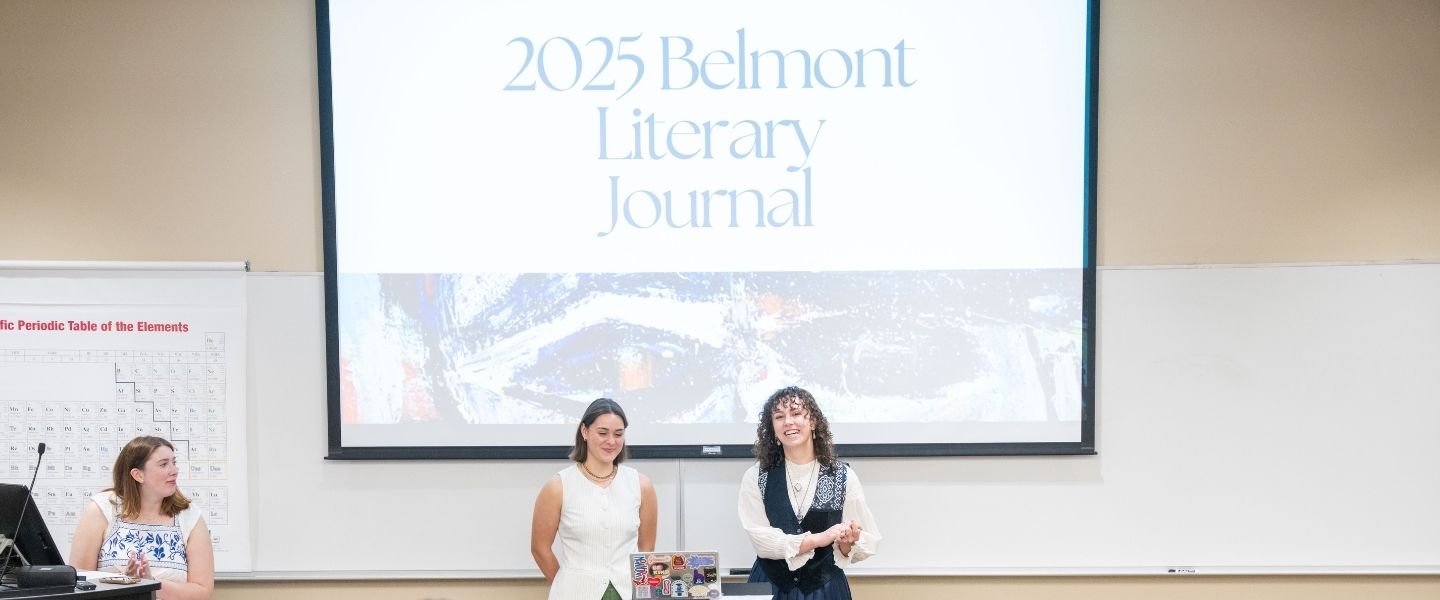
- Publish in campus literary journals and media
- Present research at the SPARK Symposium
- Work with the Writing Center as a peer tutor
- Contribute to The Vision (student newspaper) or Tower (yearbook)
- Participate in visiting writer series and author Q&As
Choose Your Track
Four specialized concentrations let you tailor your English degree to your goals.
Dive deep into American, British, European and world literature. Develop critical thinking skills that prepare you for law school, graduate school or any career that requires analysis and insight.
Sample Courses:
- British Literature I & II
- American Literature I & II
- World Literature I & II
- Special Topics courses including The Weird World of Edgar Allan Poe, Global Literature and Activism, The Haunted South and Medieval Foundations of Modern Fantasy
Sharpen your craft in poetry, fiction and creative nonfiction. Workshop your work with peers, publish in literary journals and build a portfolio that opens doors.
Sample Courses:
- Intermediate Creative Writing: Multi-Genre
- The Craft of Fiction
- The Craft of Poetry
- Creative Nonfiction
- Advanced Fiction Workshop
- Advanced Poetry Workshop
- Advanced Creative Nonfiction Workshop
Master the art of persuasive communication, digital writing and essay craft. Perfect for aspiring journalists, content creators, marketers and professional communicators.
Sample Courses:
- The Art of the Essay
- Introduction to Rhetoric
- Digital Literacies: Composing for Online Environments
- Writers in Context: Conversations in Composition Studies
- History of Rhetoric
Prepare to become a licensed teacher with deep content knowledge in literature, language history and composition.
Sample Courses:
- British Literature I & II
- American Literature I & II
- World Literature I & II
- History of the Language and Linguistics
- Shakespeare: Representative Plays
- Introduction to Literary Criticism
Can't decide? Many students combine courses from multiple concentrations to build the skillset they need.

Curriculum at a Glance
The English major requires 36 credit hours beyond core requirements, with four specialized concentrations to match your goals.
Core Requirements (for all English majors):
- Reading and Writing for English Studies
- Introduction to English Studies
- Critical Reading and Writing About Literature
- Junior Seminar in English
- Seminar in English Studies (Senior Capstone)
- Special Topics in World Literature
Concentrations
- Literature
- Creative Writing
- Writing and Rhetoric
- English for Secondary Education
Internship Opportunities
The Double-Major Advantage
Nearly one-third of our majors pair English with a second area of study to create a unique career path. Below are some popular combinations.


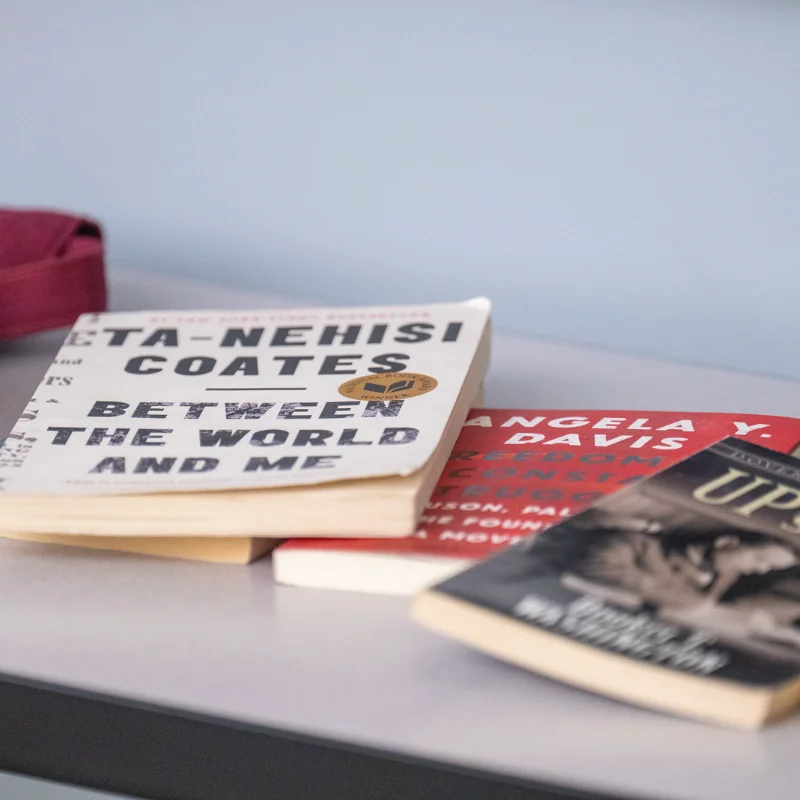



Hands-On Opportunities
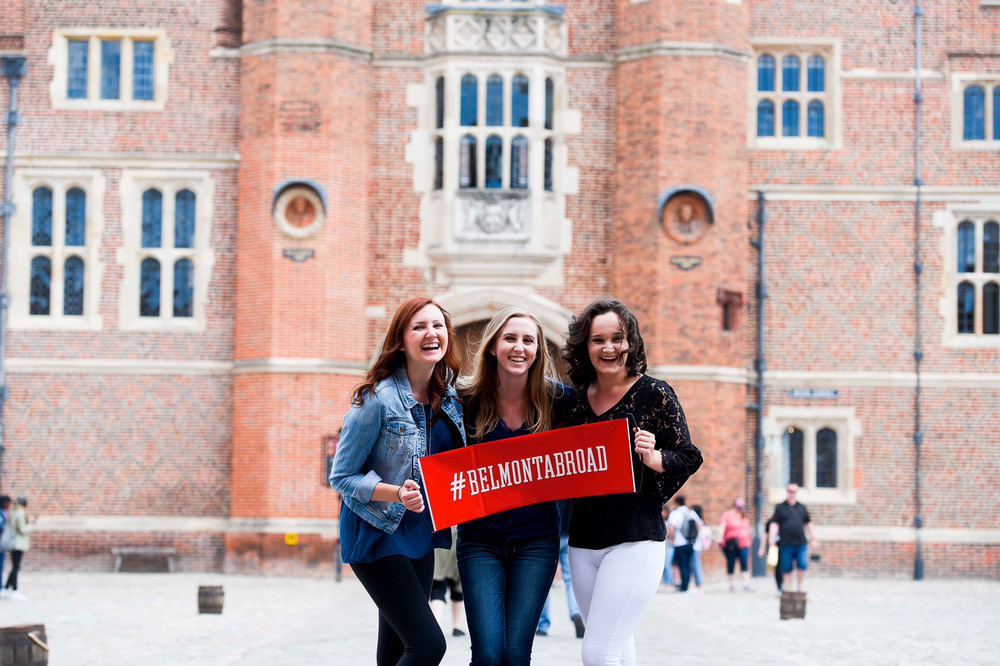

Work in editing and marketing internships, with placements in New York (Belmont USA program) and London.
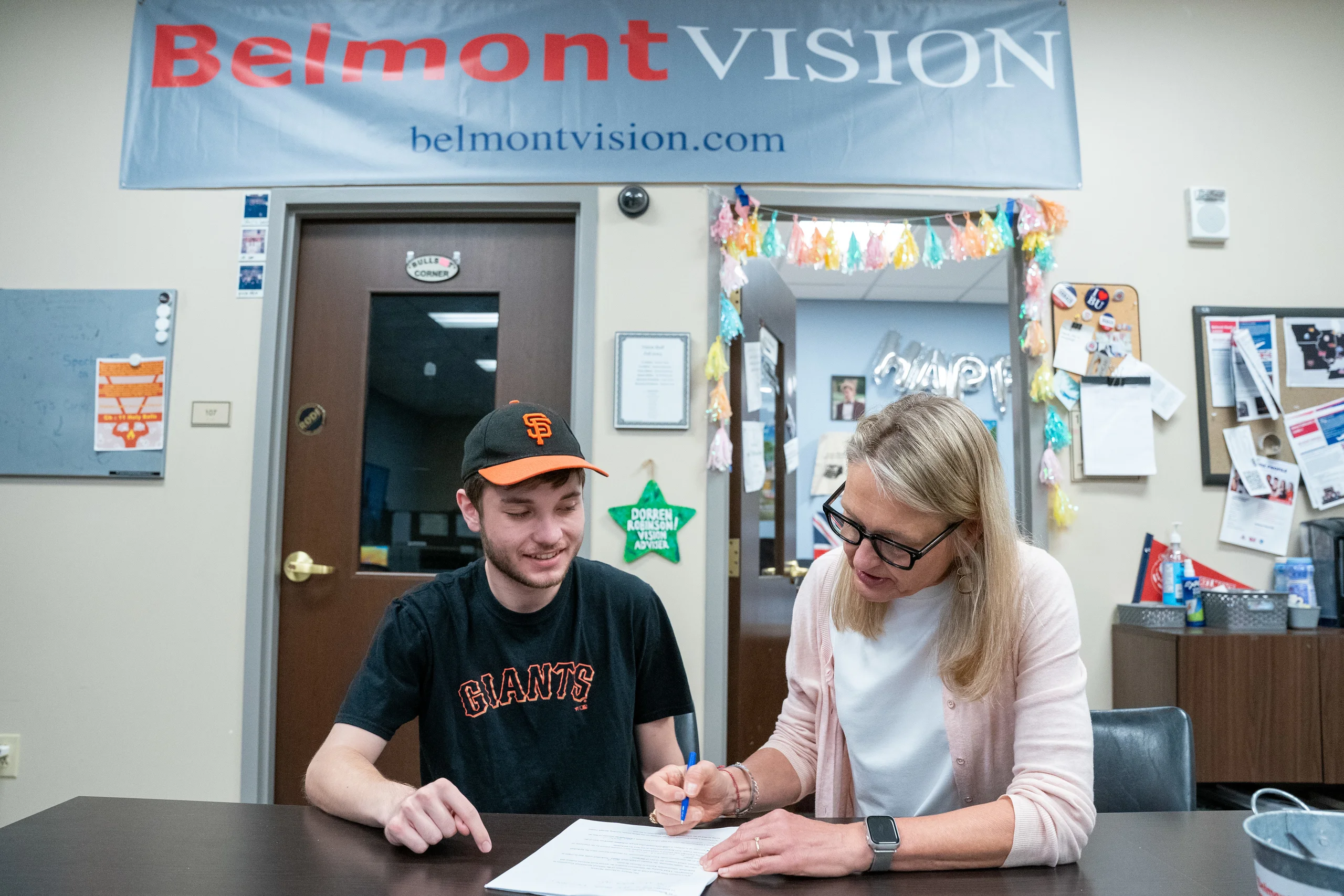
Write, edit and produce content for The Vision newspaper, Tower yearbook or other student publications.

Present your research at Belmont's annual undergraduate research showcase.
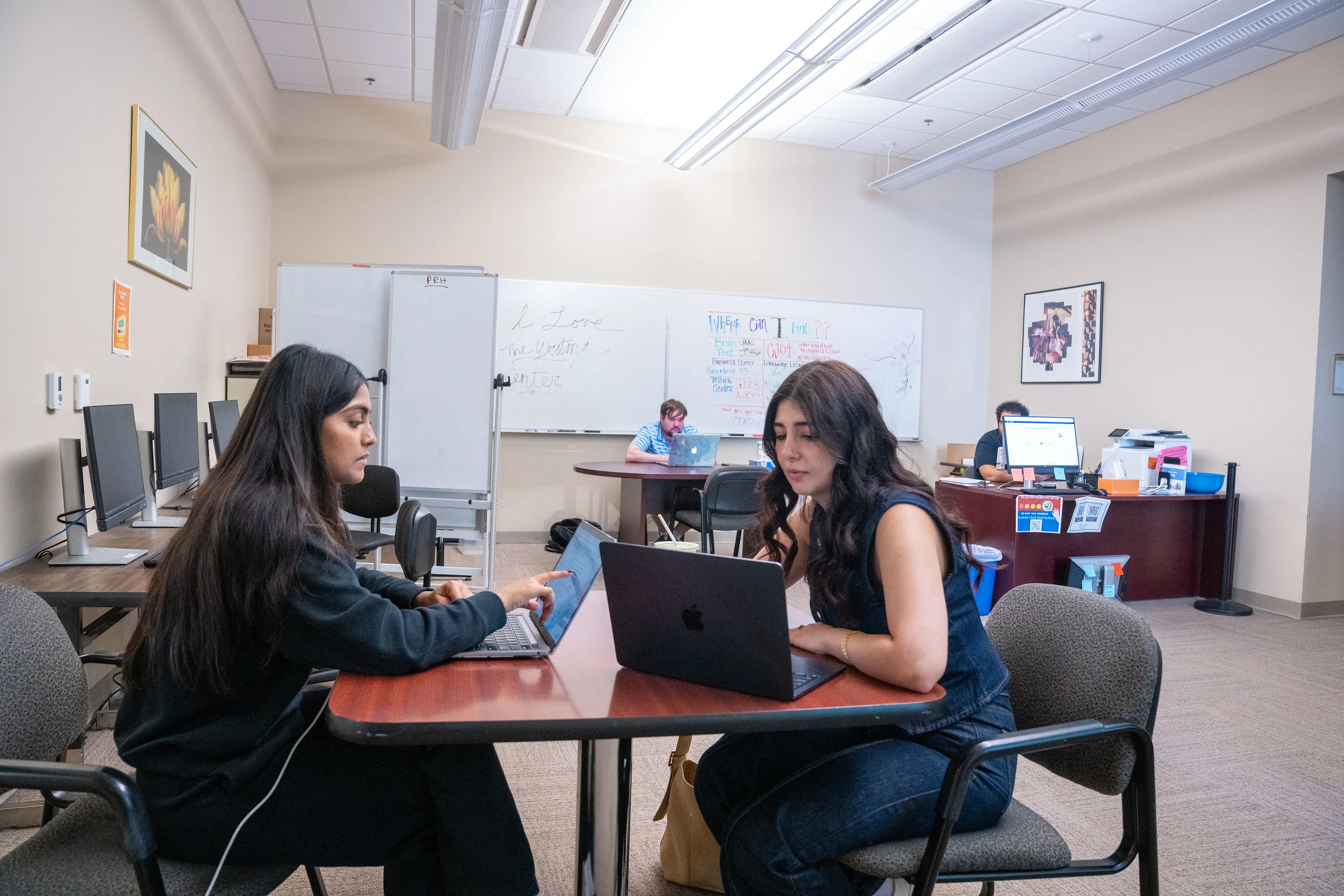
Work as a peer tutor, helping fellow students strengthen their writing across disciplines.
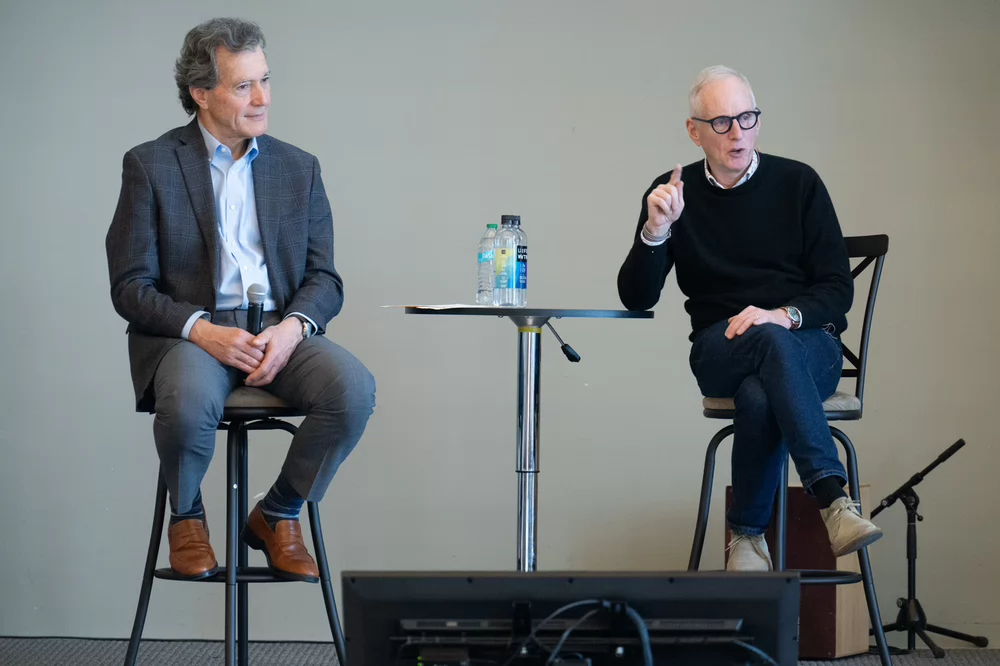
Attend readings and Q&As with published authors, poets and journalists throughout the year.
FAQ
You'll develop strong written and verbal communication skills, critical thinking, research abilities, cultural awareness and creative problem-solving. You'll learn to analyze complex texts, craft persuasive arguments, revise effectively and adapt your writing for different audiences and purposes. These skills transfer to virtually any career.
While teaching is a wonderful path, English majors pursue dozens of careers: marketing and communications, publishing and editing, law, nonprofit leadership, content strategy, user experience (UX) writing, journalism, public relations, social media management, graduate school and more. Our alumni work at major publishers, Fortune 500 companies, schools, agencies, startups and newsrooms.
Salaries vary by career path, but English majors develop high-value skills. According to Hanover Research (2025), English-related occupations offer competitive wages: editors earn a median of $53,000-$63,000, secondary English teachers earn around $76,000, and communications specialists earn $60,000-$75,000. Many English majors move into leadership roles with significantly higher earning potential.
Absolutely. About 28% of our English majors double major, often pairing English with education, psychology, publishing, songwriting, business or communications. This combination allows you to build specialized expertise while strengthening core communication skills.
Belmont English students gain practical experience through internships, campus media, the Writing Center, SPARK Symposium presentations, literary journal submissions and participation in visiting writer events. Many students also work with faculty on research projects or independent studies.
The >Literature concentration emphasizes close reading, literary history and cultural analysis across British, American, European and world literature — ideal preparation for graduate school, teaching or careers requiring deep analytical skills.
The Creative Writing concentration focuses on craft, workshop and revision in fiction, poetry and creative nonfiction — perfect for aspiring novelists, poets, journalists and storytellers.
The Writing and Rhetoric concentration develops expertise in persuasive communication, digital composition and essay craft — excellent preparation for careers in marketing, journalism, content strategy and professional writing.
The English for Secondary Education concentration combines literature surveys with linguistics, language history and pedagogy — designed for students pursuing teacher licensure.
You can also mix courses from multiple concentrations to build your ideal skillset.
English is a major you select when applying to Belmont University. Start by completing your application through the Office of Admissions . You'll declare English as your major during the application process or after you're admitted. No separate application is required for the English program.

Meet Your Mentors
Professors Who Invest in You
At Belmont, you're not a number in a lecture hall. You're a writer, thinker and future professional learning from faculty who care about where you're headed.
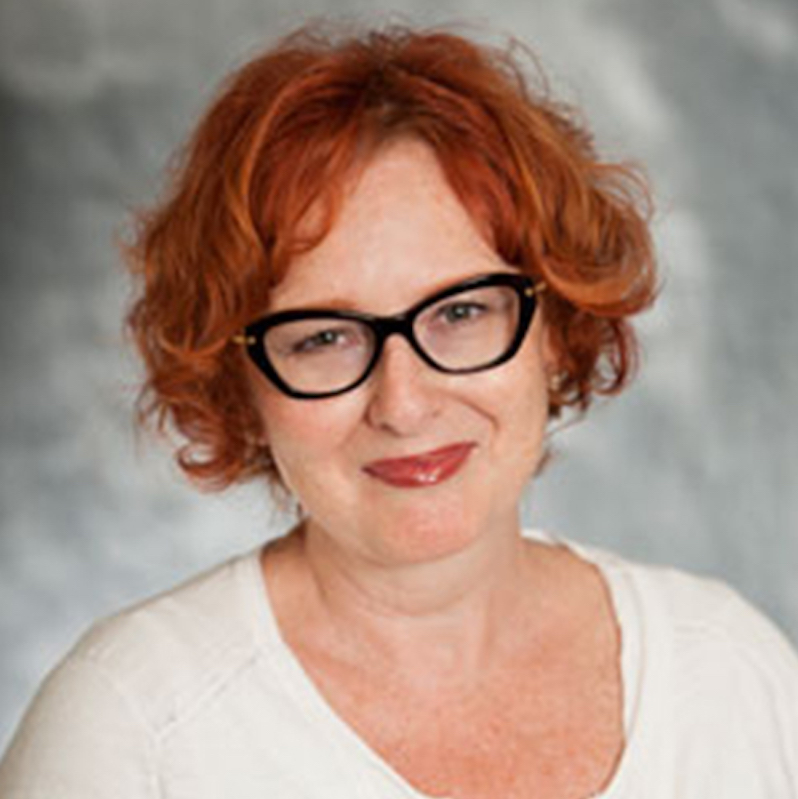
Kim Balding
Email: kimberly.balding@belmont.edu
Office Location: Ayers 3043
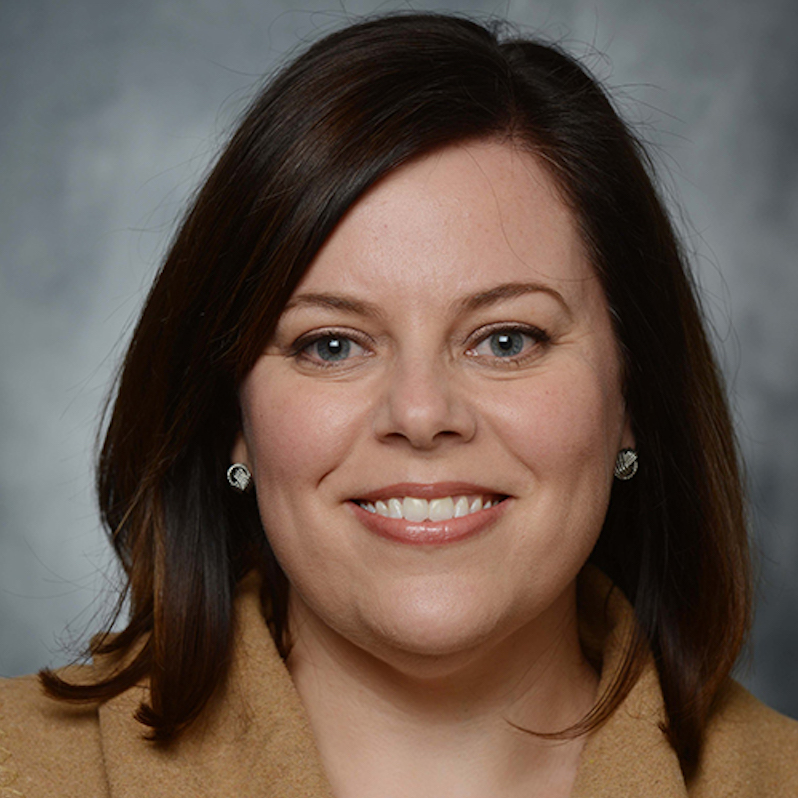
Sarah Blomeley
Email: sarah.blomeley@belmont.edu
Office Location: Ayers 3030

Devon Boan

J. Buentello Benavides
Office Location: Ayers 3034

David Curtis
Email: david.curtis@belmont.edu
Office Location: Ayers 3024
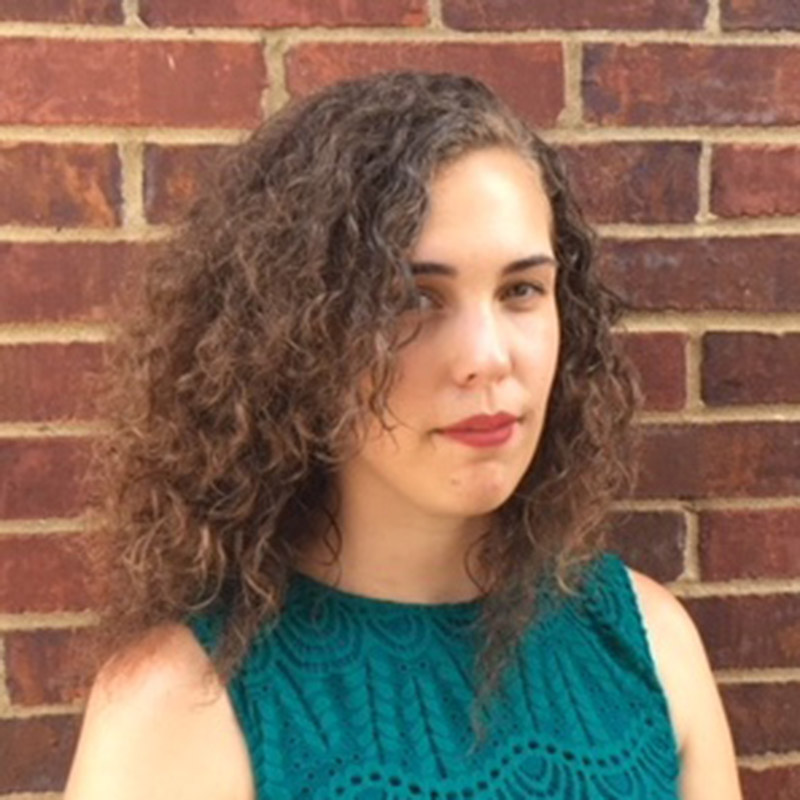
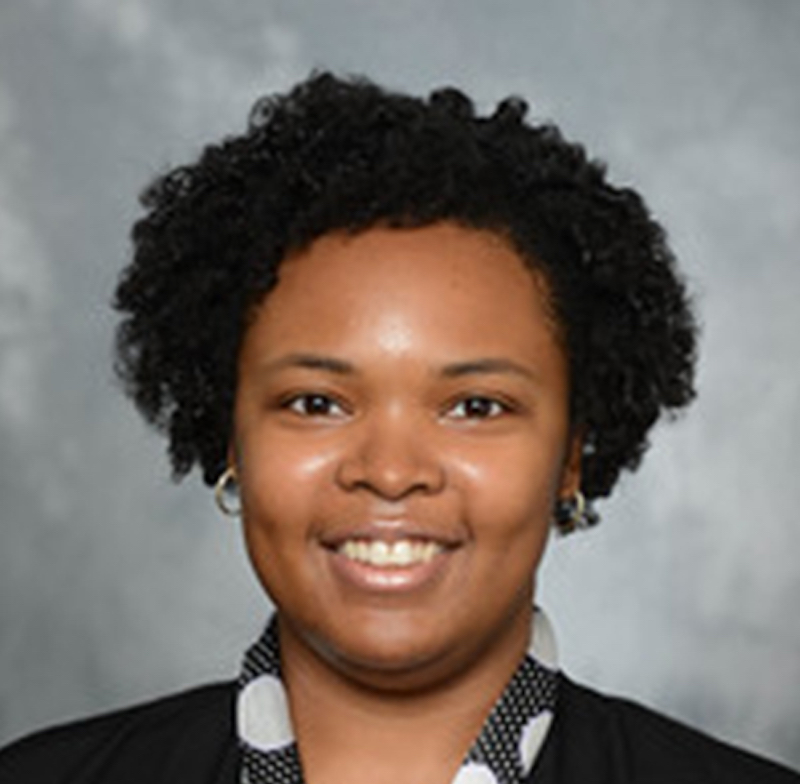
Heather Finch
Email: heather.finch@belmont.edu
Office Location: Ayers 3036

Susan Finch
Email: susan.finch@belmont.edu
Office Location: Ayers 2044
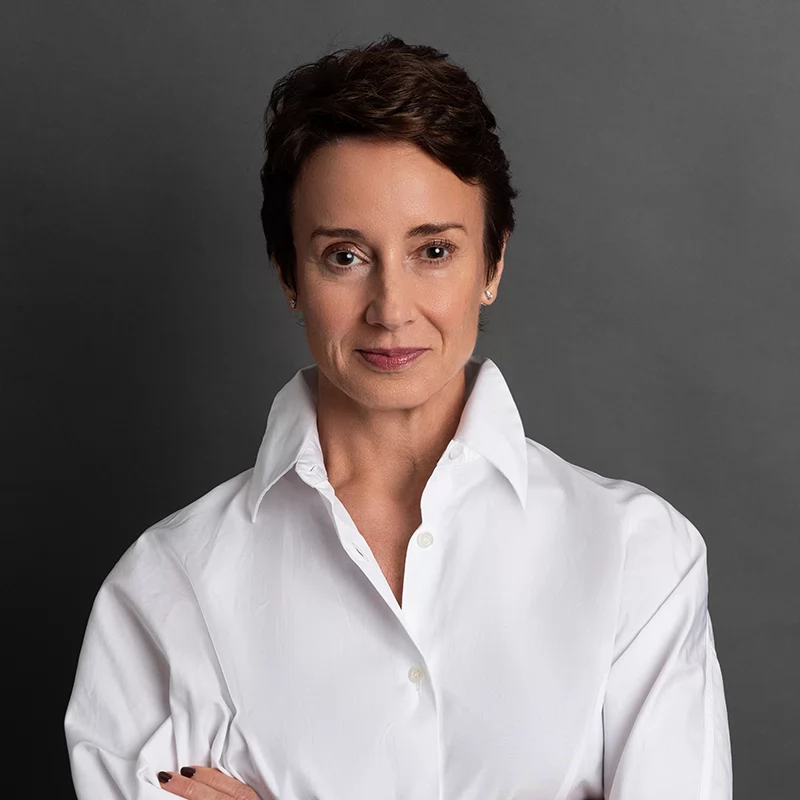
Charmion Gustke
Email: charmion.gustke@belmont.edu
Office Location: Ayers 3028

Kacie Hittel
Email: kacie.hittel@belmont.edu
Office Location: Ayers 3065
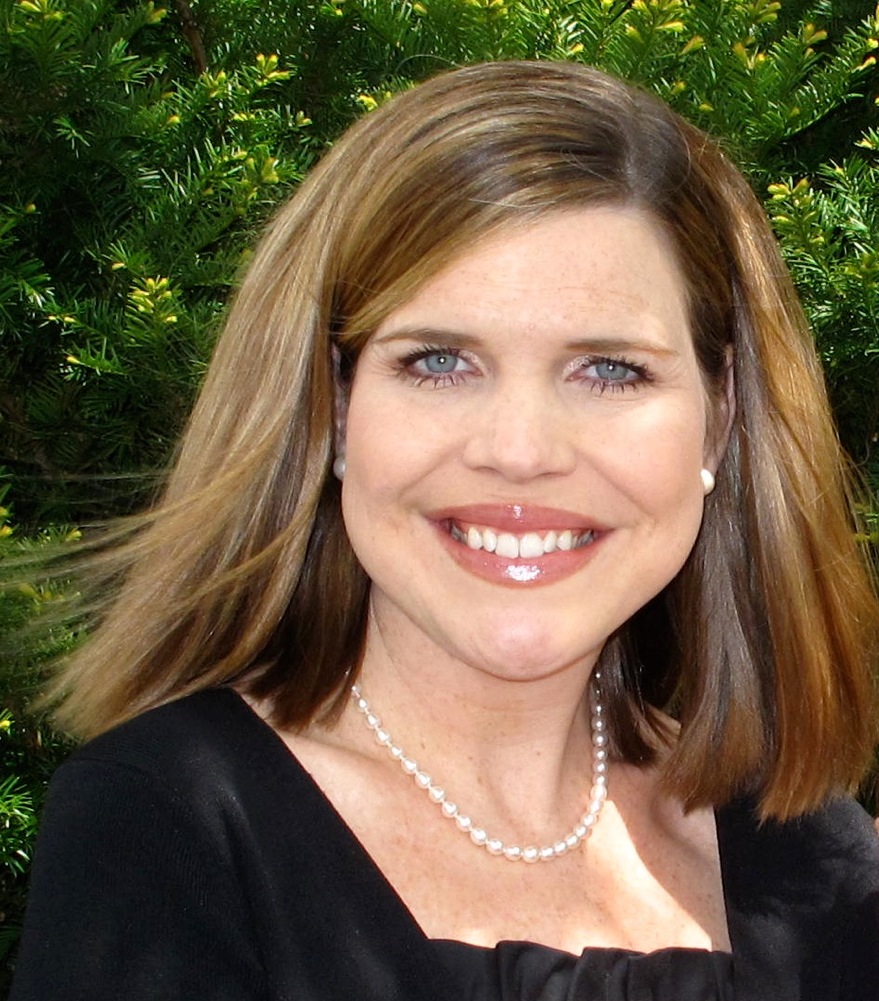
Amy Hodges Hamilton
Email: amy.hodgeshamilton@belmont.edu
Office Location: JMC 340
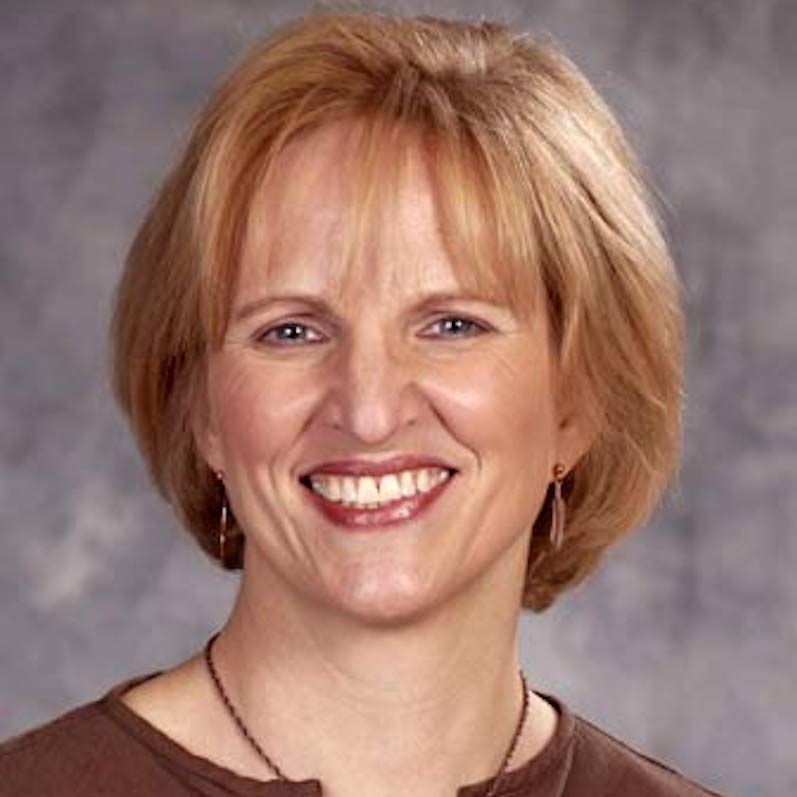
Linda Holt

Caresse John
Email: caresse.john@belmont.edu
Office Location: Ayers 3025

Jason Lovvorn
Email: jason.lovvorn@belmont.edu
Office Location: Ayers 3022
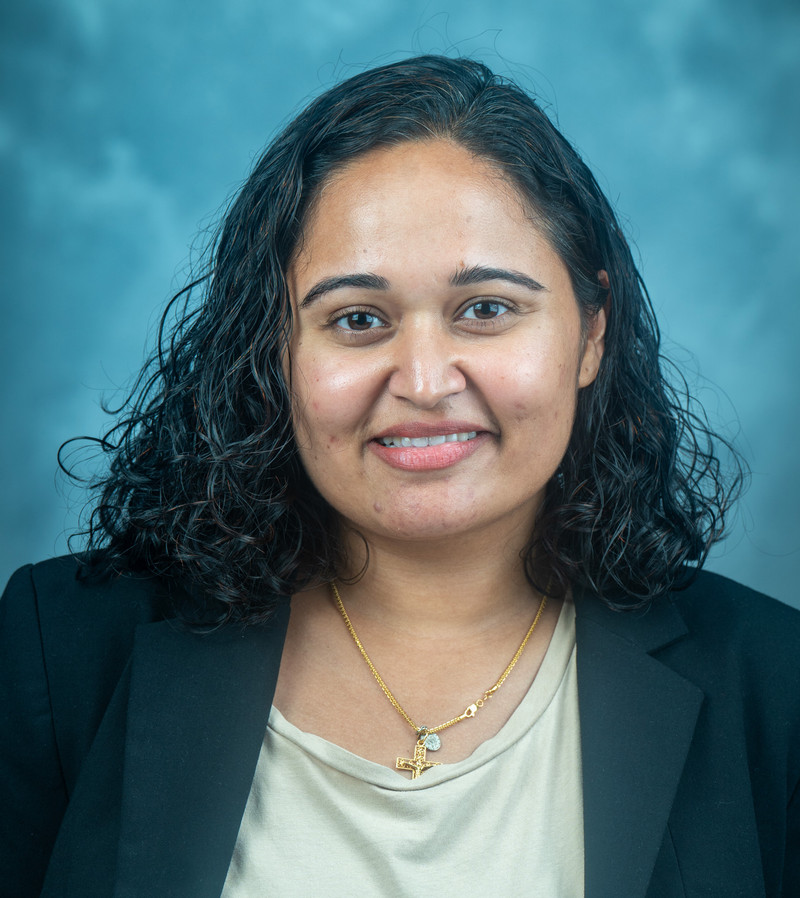
Arpita Mandal
Email: arpita.mandal@belmont.edu
Office Location: Ayers 3035

Marcia McDonald
Email: marcia.mcdonald@belmont.edu
Office Location: Ayers 3019
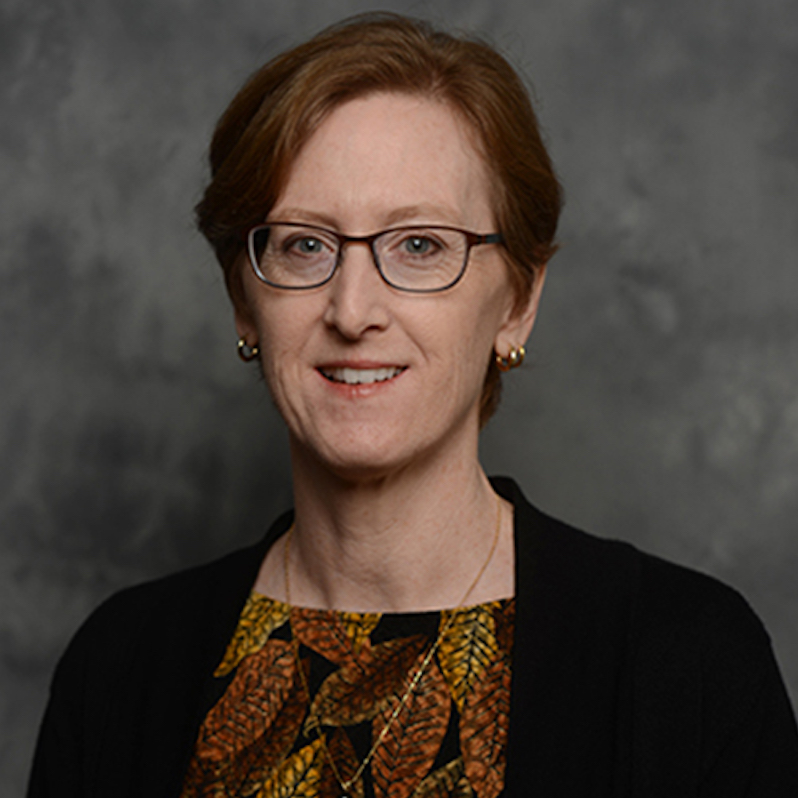
Carla McDonough
Email: carla.mcdonough@belmont.edu
Office Location: Ayers 3040

Gary McDowell
Email: gary.mcdowell@belmont.edu
Office Location: Ayers 3029

Maggie Monteverde
Email: maggie.monteverde@belmont.edu
Office Location: Ayers 3023

Douglas Murray
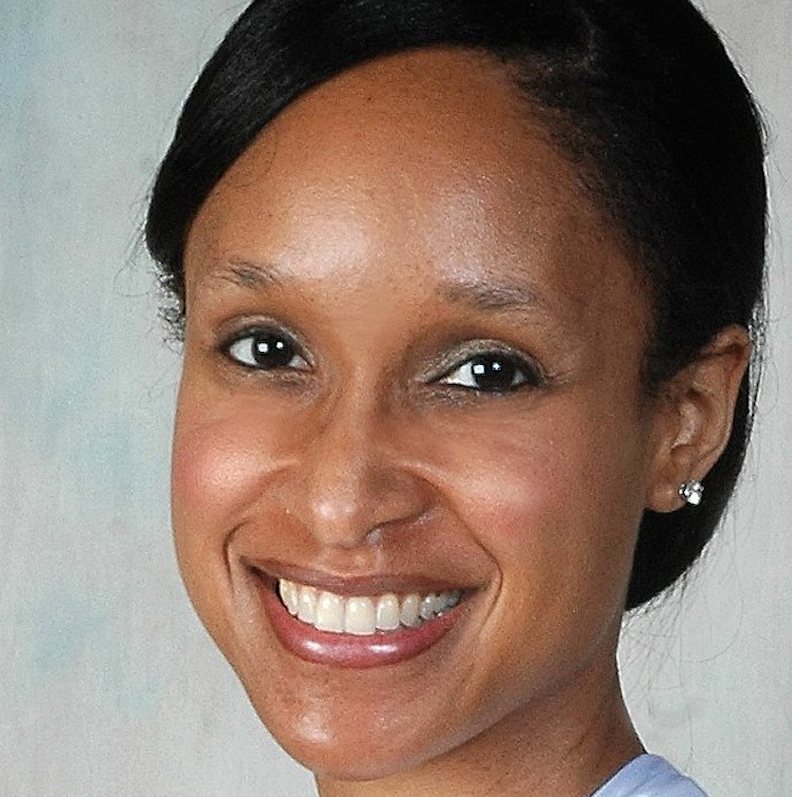
Joy Nettles
Email: joy.nettles@belmont.edu
Office Location: Ayers 3071

Gwen Niekamp
Email: gwen.niekamp@belmont.edu
Office Location: Ayers 3068

Joel Overall
Email: joel.overall@belmont.edu
Office Location: Ayers 3041

John Paine

Robbie Pinter
Email: robbie.pinter@belmont.edu
Office Location: Ayers 3102

Blake Remington
Email: blake.remington@belmont.edu
Office Location: Ayers 2055
Amanda Salmon
Email: amanda.salmon@belmont.edu
Office Location: Ayers 3067

Annette Sisson
Email: annette.sisson@belmont.edu
Office Location: Ayers 3027

Bonnie Smith Whitehouse
Email: bonnie.smith@belmont.edu
Office Location: Jack C. Massey Center 369

Andrea Stover

Jonathan Thorndike

Related Stories


Contact Us
College of Liberal Arts & Social Sciences
Sophie Chua
Admissions Coordinator
615.460.8335